
A kitchen backsplash often looks like a small detail, but it changes the entire atmosphere of a kitchen faster than many people expect. Warm, textured tiles can make a cold, minimalist kitchen feel cozy and inviting, while glossy large-format surfaces create a dazzling modern appearance that instantly catches attention. Many renovation mistakes begin exactly here — with rushed tile choices made under bright store lighting.
Experienced specialists such as Van Wijngaarden tegelzetters often explain that backsplash tiling is not only about beauty. Homeowners in Utrecht, Maarssen, and surrounding areas regularly discover that poor tile quality, incorrect grout, or weak installation can create cleaning problems, moisture issues, and visible wear surprisingly quickly. With many years of renovation experience and complete kitchen and bathroom remodeling projects behind them, professional tilers understand how important proper preparation and material selection truly are.
Why Kitchen Backsplash Tiles Matter So Much
A backsplash protects walls from water, grease, steam, sauces, coffee stains, and cooking heat. This area experiences constant daily stress, and standard painted walls near stoves and sinks can quickly become stained, swollen, or difficult to clean without durable tile protection.
Main Benefits of Kitchen Backsplash Tiles:
-
Easier daily cleaning.
-
Better moisture protection.
-
Heat resistance near cooking zones.
-
Decorative visual effect.
-
Increased kitchen durability.
-
Improved property appearance.
Homeowners often underestimate how strongly backsplash materials influence the overall feeling of cleanliness in a kitchen. Beautiful kitchens should not only impress visitors; they should also remain practical during real everyday cooking.
What to Look for in a Tile Store
Walking through a tile showroom can feel overwhelming. Hundreds of textures, colors, finishes, and shapes compete for attention at the same time. Still, several technical details matter much more than trendy patterns.
Tile Porosity – Lower Is Better
Porosity refers to how much water a tile absorbs. For kitchen backsplashes, minimal porosity is extremely important because porous surfaces absorb grease, steam, and stains much faster.
| Porosity Level | Result in Kitchen Use |
| Low porosity | Easier cleaning and moisture resistance |
| Medium porosity | Acceptable for light kitchen use |
| High porosity | Stains and moisture problems appear faster |
Porcelain tiles usually perform exceptionally well because of their dense structure. Ceramic tiles can also work beautifully if they include a strong protective glaze. Rough, porous surfaces near cooking zones often become difficult to clean after just several months.
Glossy or Matte Tiles?
This question creates endless debates during renovation projects.
-
Glossy Tiles: Glossy surfaces reflect light and make small kitchens appear brighter and more spacious. They offer strong light reflection, an elegant modern appearance, and easier grease removal, though they reveal fingerprints and water spots more easily.
-
Matte Tiles: Matte finishes create a softer and more luxurious atmosphere. They have become incredibly popular because they create calmer, premium-looking interiors.
| Finish Type | Best For |
| Glossy tiles | Small modern kitchens |
| Matte tiles | Cozy natural interiors |
| Satin finish | Balanced contemporary spaces |
Warm lighting combined with matte stone textures often creates an enchanting and sophisticated kitchen environment.
Choosing the Right Tile Size
Tile size changes visual perception dramatically. Large-format tiles reduce grout lines and create a cleaner appearance, while small tiles add decorative rhythm and personality.
Small Kitchens
Small kitchens often benefit from:
-
Medium rectangular subway tiles.
-
Glossy finishes.
-
Light colors.
-
Fewer visual interruptions.
Oversized dark tiles in tiny kitchens sometimes make the room feel heavy and cramped.
Large Kitchens
Spacious kitchens allow much more creative freedom and can easily accommodate large slabs and wide panels.
| Kitchen Size | Recommended Tile Size |
| Small kitchen | 7×15 cm or 10×20 cm |
| Medium kitchen | 15×30 cm or square formats |
| Large kitchen | Large slabs and wide panels |
One of the most inspiring combinations today involves large marble-look porcelain slabs paired with warm wooden cabinets.
Why Grout Matters More Than People Think
Grout can completely ruin beautiful tiles if chosen incorrectly. Dark grout often hides stains better, while light grout creates a softer visual effect.
Common Grout Problems:
-
Fast discoloration.
-
Cracking.
-
Mold appearance.
-
Uneven color drying.
-
Grease absorption.
| Grout Color | Visual Effect |
| White grout | Fresh and classic appearance |
| Gray grout | Practical modern option |
| Beige grout | Warm cozy atmosphere |
| Black grout | Strong graphic contrast |
Epoxy grout performs especially well in kitchens because it resists moisture, grease, and stains much better than standard cement-based grout. Tiny renovation details often separate average kitchens from truly luxurious interiors.
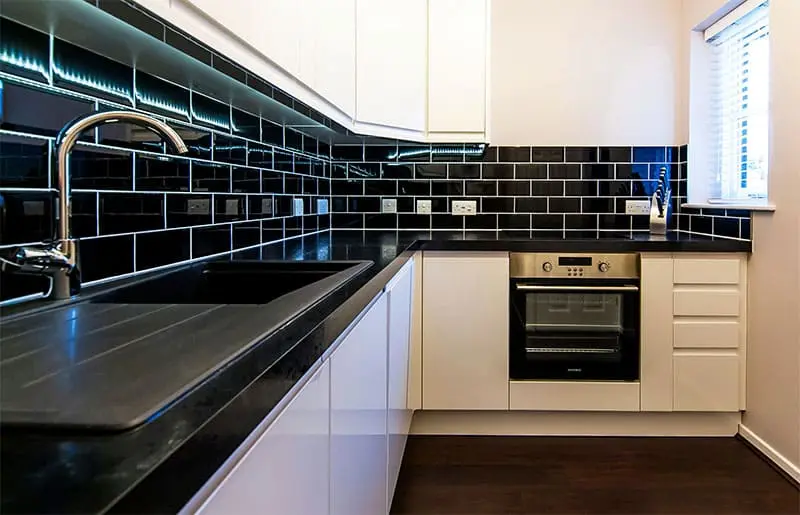
Most Popular Kitchen Backsplash Styles
Current backsplash trends focus on warmth, texture, and personality rather than cold, sterile perfection.
Trending Tile Styles:
-
Marble-look porcelain.
-
Handmade ceramic appearance.
-
Vertical subway tiles.
-
Natural stone textures.
-
Soft beige and olive shades.
-
Large seamless slabs.
Some kitchens now combine different tile finishes in beautifully unique ways. Matte walls paired with glossy decorative accents create incredible visual depth.
Why Professional Installation Is Worth It
Online renovation videos sometimes make backsplash tiling look ridiculously simple. Reality is usually quite different.
Professional tilers understand the importance of:
-
Surface leveling and preparation.
-
Waterproof protection.
-
Precision tile cutting.
-
Heat-resistant materials.
-
Correct grout application.
-
Expansion gaps and structural integrity.
Poor backsplash installation often reveals itself slowly. Uneven grout lines, hollow sounds, moisture penetration, and crooked corners may appear months later. Badly installed backsplash tiles are expensive to repair because cabinets, countertops, and plumbing already surround the area.
Benefits of Professional Tiling
| Professional Work | Why It Matters |
| Precise alignment | Cleaner, elegant appearance |
| Proper waterproofing | Protects kitchen walls from mold |
| Correct cutting | Smooth and precise finishing details |
| Durable installation | Longer overall lifespan |
| Balanced spacing | Professional visual symmetry |
Common Kitchen Tile Mistakes Homeowners Regret
Sometimes people focus too heavily on temporary trends and ignore practical everyday use.
Frequent Renovation Errors:
-
Choosing highly porous tiles for cooking zones.
-
Ignoring grout quality and type.
-
Installing rough, heavy textures near stoves.
-
Using oversized tiles in tiny kitchens.
-
Selecting weak or non-heat-resistant adhesive materials.
-
Forgetting how home lighting influences tile color.
A tile that looks dazzling under bright store lights may suddenly appear cold, dull, or gray at home.
Helpful Kitchen Tile Tips
-
Simpler, classic designs often age more beautifully over the years.
-
Tile samples should always be viewed under real kitchen lighting before purchase.
-
Low material porosity matters much more than trendy temporary patterns.
-
Warm grout tones create softer, more welcoming interiors.
-
Professional installation prevents future stress and damage to countertops.
Final Thoughts About Kitchen Backsplash Tiles
Choosing backsplash tiles is not only about decoration. Good tiles protect walls, simplify cleaning, improve durability, and create emotional warmth inside a kitchen. A well-designed backsplash quietly changes everyday life: morning coffee feels more pleasant, cooking becomes more inspiring, and the kitchen naturally turns into a welcoming space where people want to spend more time.

Ваш комментарий будет первым